
So, having looked at some rather normal eco-friendly washing liquids and concluded they’re good, but not great, when it comes to environmental impact. It’s time to jump in the deep end of eco-warrior-weirdness and test out soap nuts – a ‘natural’ clothes washing method that involves only as much harm as it takes to get them to your door. Exciting…I think?
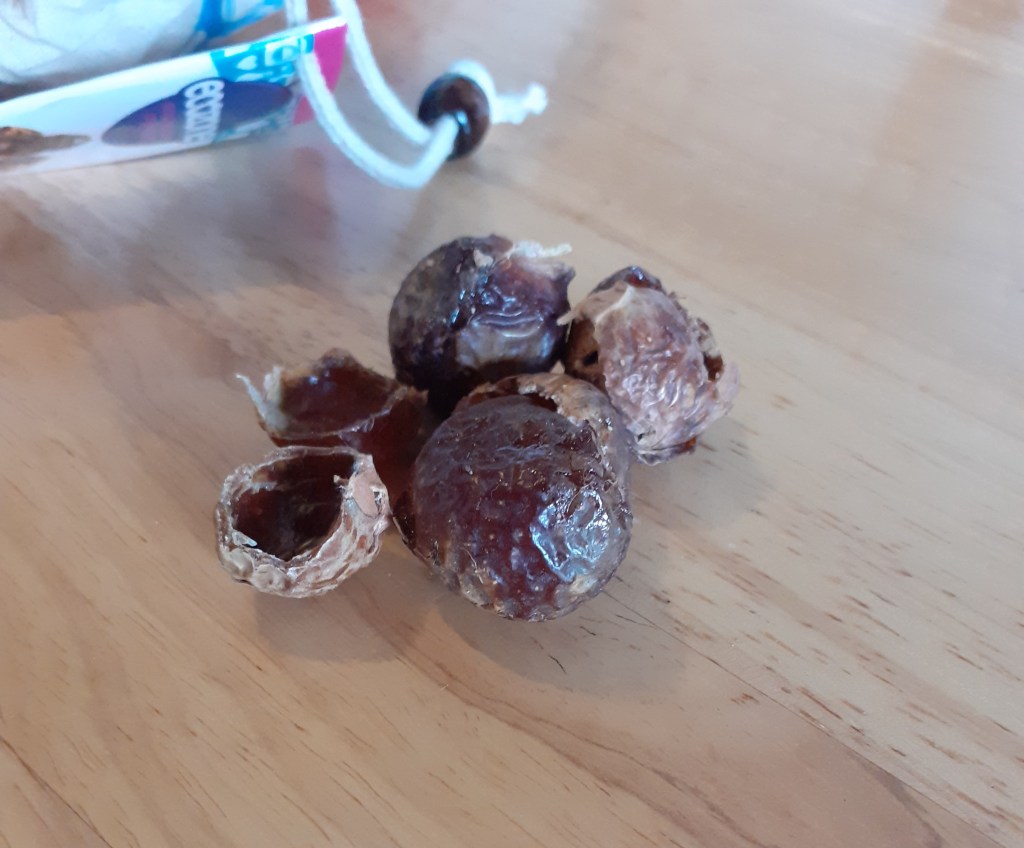
Soap nuts, also called soap berries, grow on trees of the Sapindus genus in various warm places across the world. There are various types of soap nut, the one used most frequently for washing is from the ‘Sapindus Mukorossi’ tree and grows in the Himalayas. Despite being called nuts/berries, soap nuts are actually the shells of the fruits of these trees. A little confusing I know, but bear with.
Now, historically soap nuts have been used for clothes washing by tribal people groups, to dye silks, and to make soap. More recently, eco-type peoples have been using them to wash their clothes, and they claim that they’re just as good as modern washing methods. Now this I am sceptical of BUT, according to Wikipedia, soap nuts may have ‘surfactant-like’ properties generated by the ‘saponin’ element in them. They also have a bit of a following in the eco-world, however of the two friends I know who have tried using them, only one of them says they work. Given this, I figured a third test was needed. And so here we are.
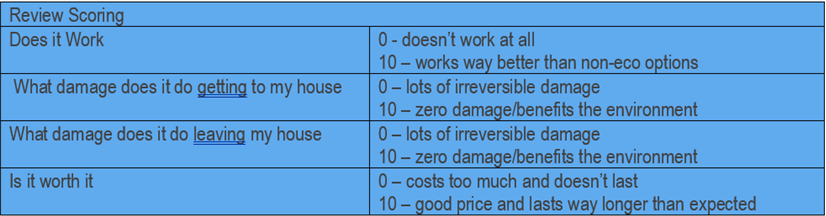
As ever, here’s the review scoring explained, and if you’re running short on time there’s a 30 second summary at the bottom.
Using it – does it work
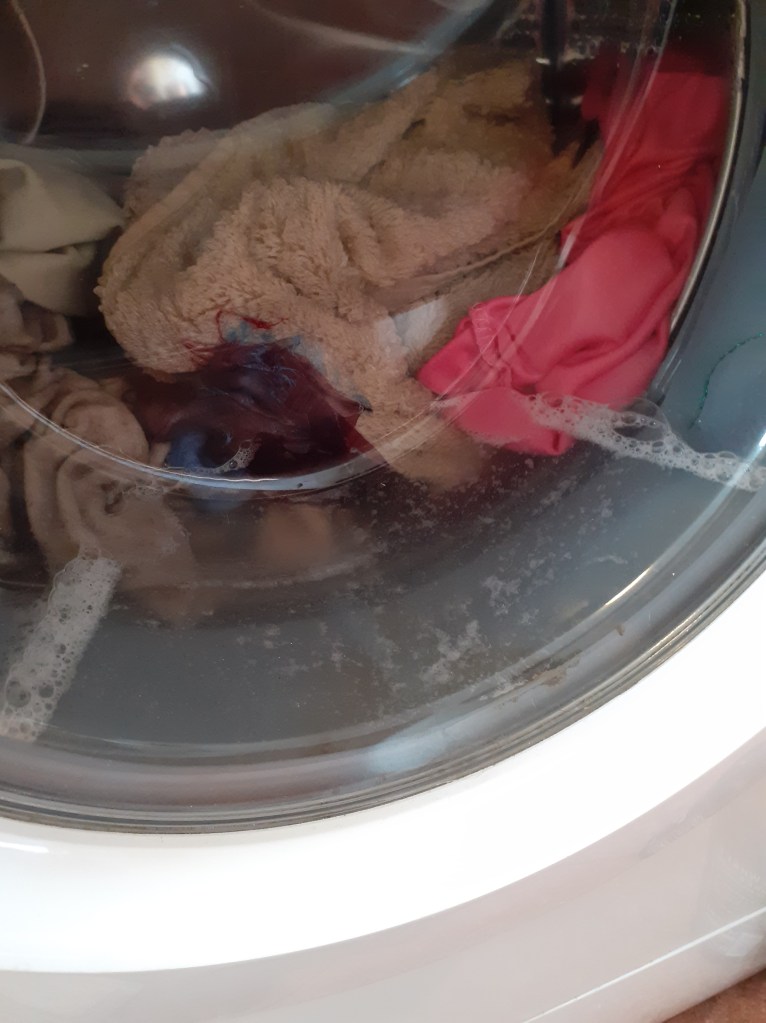
In a nutshell (ha-di-ha), not really. While there were some bubbles in the water during the wash, my socks have been coming out of the wash still dirty, and a top came out with foundation on the collar (which easily came off with a dash of greenscents washing liquid). At a push I’d say using soap nuts was maybe more effective than just water, but not good enough to actually clean dirty clothes with.
I tried several methods too. I soaked the nuts in cold and hot water before using, I tried them on 30 and 40 degree washes, and I tried 3 to 5 nuts per wash. Still nothing. And to add further insult, the nuts themselves smell truly awful. It felt like all our clothes were coming out of the wash with a slightly mouldy smell which no amount of airing would dissipate. All in all, I’m a bit baffled by all the people who say these work and honestly wondering if perhaps the idealism of a totally ‘natural’ washing alternative has lowered their standards a little (sorry friend!).

If I keep trying with these I will let you know if anything changes, but for now they get a very legitimate 2 out of 10 from me. They are so much worse than every other alternative – including water because at least water doesn’t smell horrific!
What damage does it do getting to my house?
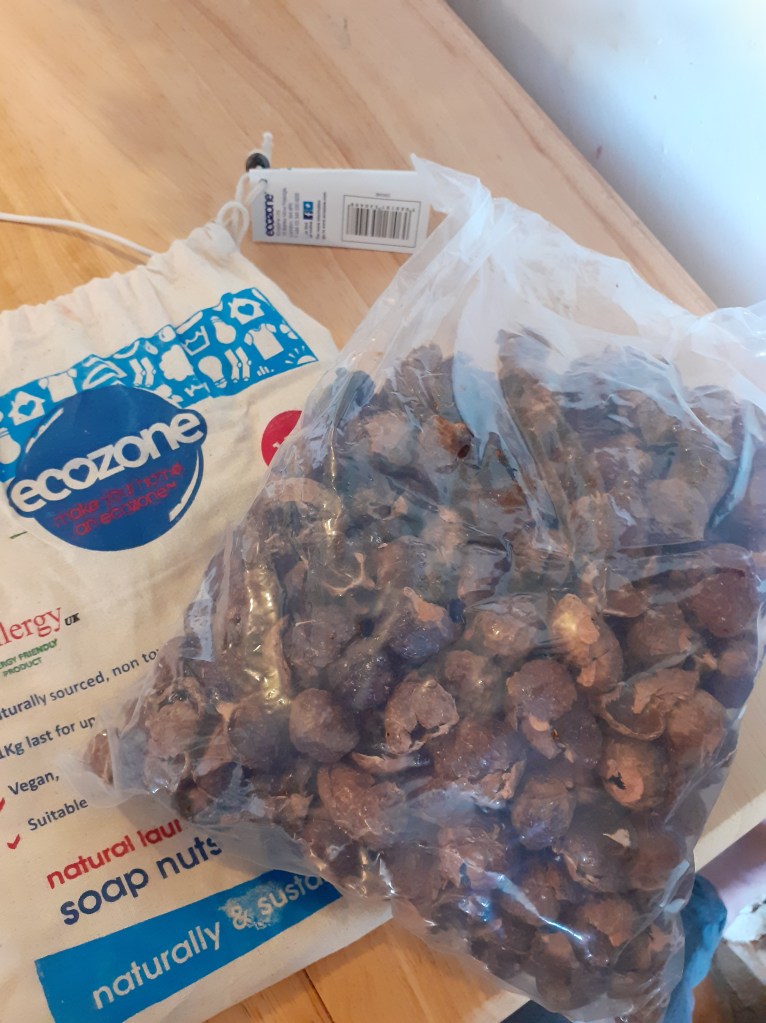
So, the soap nuts I bought were from ecozone. They came packaged in a plastic bag inside a branded cotton bag. This outraged me at first because their marketing definitely gives the impression there’s no plastic in the packaging, however the totally abhorrent smell of the nuts makes one quite thankful for the plastic in the end. Even if it’s not a recyclable plastic bag. The obvious damage of the nuts are the carbon footprint of them being flown over here. Sadly, ecozone don’t list where they source their soap nuts from (it was hard enough to figure out what actual nut they were selling), so I have no idea where the ones I bought were grown, whether they were farmed sustainably or the impact they have on the local populace. They are certified organic, although I’m not sure who by.
Unfortunately, this leaves me at a bit of a loss when it comes to guessing the damage these nuts do getting to our doors. I’m going to give them a provisional 7. They doesn’t use nasty chemicals to create any surfactant or detergent, and while we can’t guarantee how organic the nuts are, there seems to be an attempt at organic-ness. If we assume they come from Asia or south USA then we can say the airmiles are pretty rubbish, and the trees apparently require quite a lot of water to grow, both not ideal. However in general, unless ecozone are one huge scandal (not ruling it out at the moment) and all other suppliers of nuts across the globe are deluded or in on the conspiracy, I think we can be fairly confident that growing and selling soap nuts involved relatively low damage to the environment. So a score of 7 seems fairly reasonable from here.
What damage does it do leaving my house?
This is the unique selling point of these little stink bombs – harm-free clothes washing. Since they’re just a plant, the runoff from using them is pretty much harm free. Now, if we all started using soap nuts I do wonder if we might end up introducing some foreign plant matter to the UK in some way, but lets be honest most people haven’t ever heard of soap nuts so I think we’re good on that one. That means the only damage to the environment is the possibly non-recyclable packaging. In relative terms I’d say that’s pretty good, and these get a cheerful 8 for this one.
Is it worth it?
Well…what can I say. If you like turning simple, relatively foolproof, processes into cataclysmical nightmares then have I found the product for you. Otherwise my friend, you tell me?
Seriously though, unless you can find a handful of these to try out at home, it’s really not worth buying a whole kg because chances are they’ll not be worth it. They get 1 from me.
Summary
- Great for the environment.
- Don’t clean clothes of basic dirt.
- They really stink.
| Does it Work | Damage getting to house | Damage leaving house | Is it worth it | |
| Soap Nuts | 2 | 7 | 8 | 1 |
Thats it for now. Let me know what you think. If you’ve ever tried soap nuts, how did you find them? Did they work for you?
 Does it Have to Cost the Earth